
What this Terminology Change Means for Valuations
Breaking news: In advance of their 100th Congress, CIBJO, The World Jewellery Confederation have announced new guidance on nomenclature for laboratory grown, or synthetic diamonds.
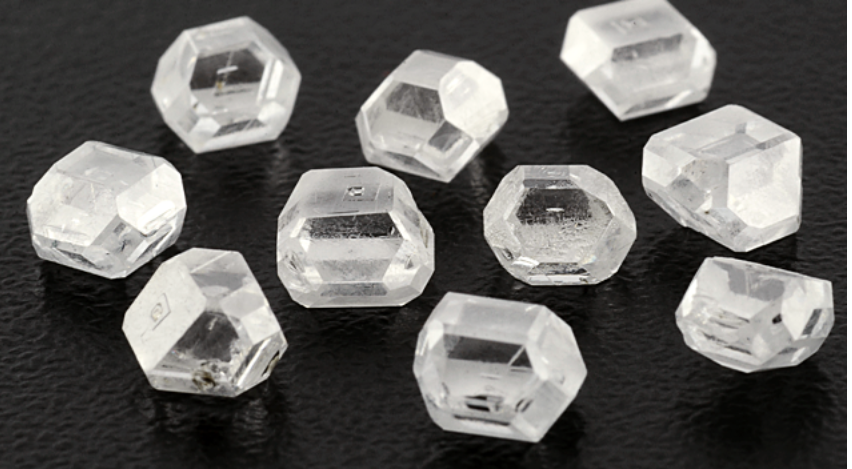
HPHT Diamond crystals. Image credit: GIA
There has been much discussion over the past few years about the ‘correct’ terminology for lab-grown diamonds – synthetic diamonds that are manufactured using the methods of CVD (Carbon Vapour Deposition) or HPHT (High Pressure High Temperature). All of the above terms have been used interchangeably, with little further guidance. With the interests of consumer comprehension at the forefront of concerns, it has been announced that the terms lab grown, lab created and laboratory grown are not to be used – indeed, the vast buildings that manufacture these diamonds today couldn’t be further from the ‘laboratory’ setting that is implied, more like large scale industrial factories.
The term ‘synthetic’ is already used for man-made rubies, emeralds, sapphires, and alexandrite to name a few – gemmologically understood as “an artificial laboratory-made product that has essentially the same chemical composition, crystal structure, and physical and optical properties as its natural counterpart.” Gem-A.
As such, the term ‘synthetic diamonds’ is recommended by CIBJO to be used from September 2026. As stated in their pre-congress report:
“Standards exist precisely because industries evolve… Do the words we use today continue to fulfil the purpose for which international nomenclature was originally created?”
This change in terminology is hoped to increase consumer confidence and transparency around the manufacture, sale, and marketing of synthetic diamonds.
What does this mean for your valuation reports?
Our jewellery specialists follow CIBJO guidelines as best practice, and so our terminology will change. Those with valuation reports pre-dating this change there is no need to worry – when your re-valuation is due we will update accordingly.
Previous changes to Synthetic Diamond Guidelines: This nomenclature change is the latest in a series of recommended guidelines and updates in the past year or so. Only this year, the Institute of Registered Valuers announced that all of their Members and Fellows would screen all diamonds as standard to ensure a greater transparency and increased accuracy of valuations. As members, we were already screening all diamonds as standard, and possess portable, accurate equipment in order to advise our clients most thoroughly.
Similarly, back in 2025, the GIA announced that it would be grading synthetic diamonds on a different scale to natural diamonds. Instead of D-Z colour, and Flawless to I2 clarity, with cut, symmetry, polish and fluorescence grading, synthetic stones would simply be categorised as ‘premium’ or ‘standard’. This once more is echoed in CIBJO’s latest guidance – they are exploring “every way possible to restrict the use of the 4Cs so that they only refer to natural diamonds. As they explain:
“[The 4Cs] is a tool intended to define the rarity and uniqueness of natural stones, where each one is different from the other….[unlike] synthetic diamonds, because “most fall into a very narrow range of colour and clarity.”
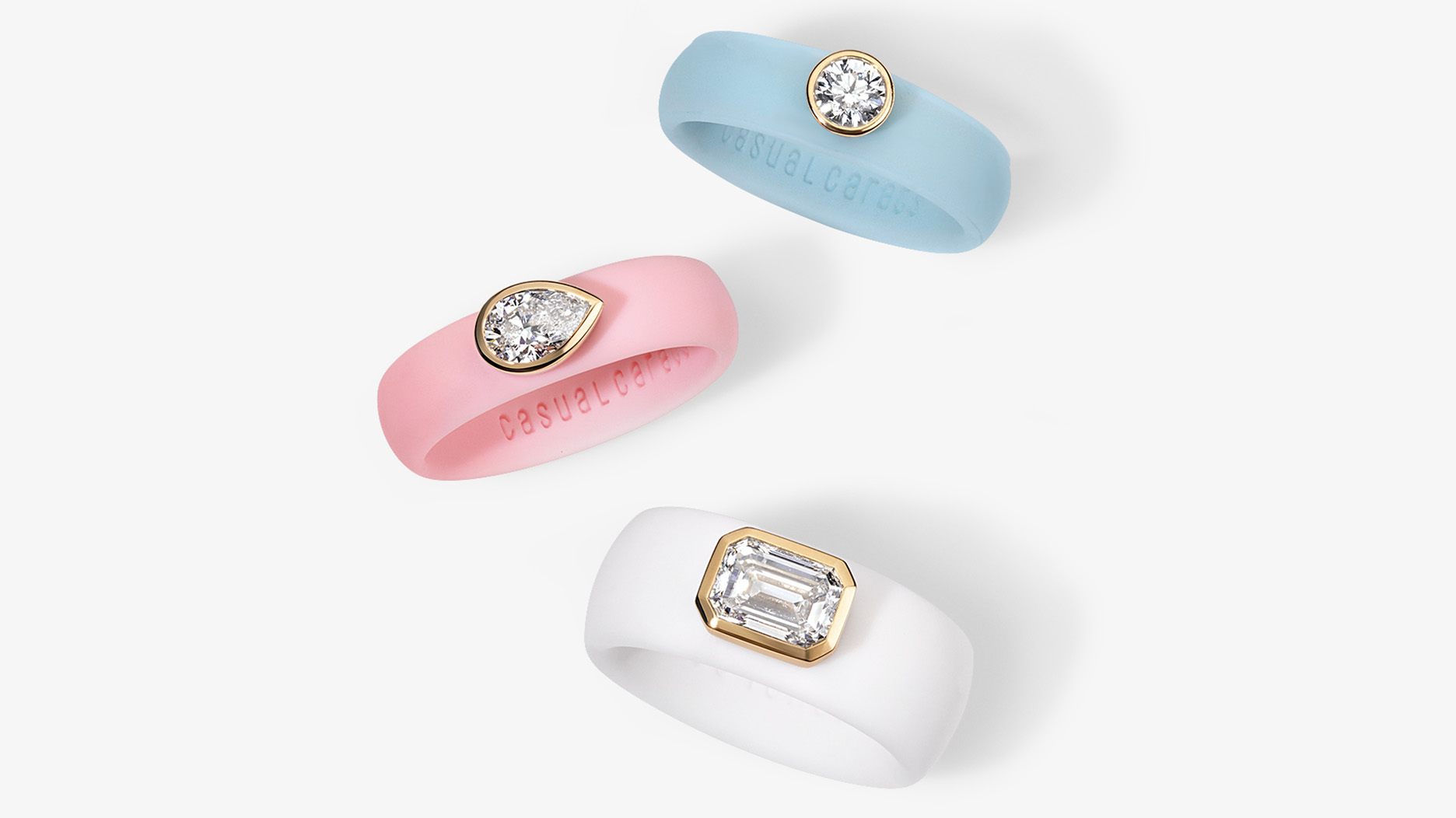
Casual Carats Collection: Synthetic Diamond jewellery by New York-based designer Stephanie Gottlieb. Image Credit: National Jeweller
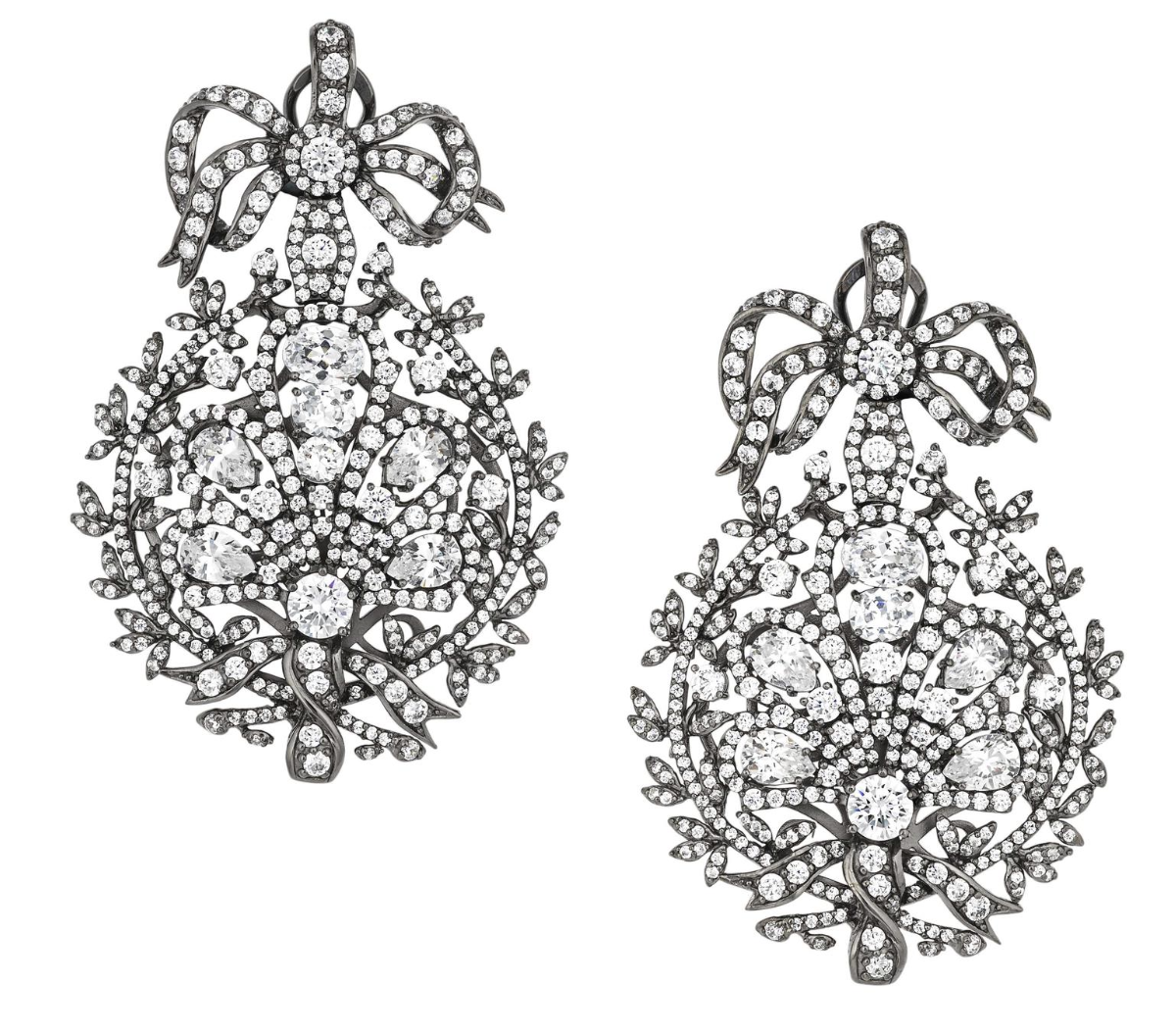
Mirage synthetic diamond earrings by Anabela Chan. Image Credit: Anabela Chan
For further information on these changes, or to enquire about a valuation for your natural or synthetic diamond-set jewellery – contact us via enquiries@jewellerywatchvaluations.co.uk.